Finding more comfort and experiencing fewer interruptions from leg cramps often starts with small, consistent daily habits. By focusing on smart hydration, supporting your body with essential minerals, and embracing a dedicated recovery ritual, you can help your hardworking muscles feel more prepared and relaxed after every workout.
You know the feeling. One moment you’re pushing through a great workout or settling down to rest, and the next, a sudden, sharp tightness seizes your calf or hamstring. It’s an unwelcome interruption that your active body could do without. While these moments are a common part of the athletic journey, they don’t have to be a regular occurrence. Think of them less as a problem to be fixed and more as a signal from your body—a request for a little more support. By building a few simple, proactive habits into your routine, you can create the right conditions for your muscles to recover beautifully and carry you through your next great effort.

Understanding Those Unwelcome Leg Cramps
Think of a leg cramp as your muscle talking to you—loudly. It’s a sudden, involuntary tightening that can stop you in your tracks, whether you’re mid-stride on a run or just settling into bed. It’s not a sign of weakness; rather, it’s a common experience for anyone who loves to move and push their limits. Understanding what can prompt these moments is the first step toward having fewer of them.
What's Happening When Your Muscle Tightens?
That intense, locked-up feeling is your muscle contracting without your permission and temporarily refusing to relax. It’s a powerful sensation that demands your immediate attention. Instead of seeing it as a frustrating setback, try to view it as your body’s way of signaling that it needs a little something extra, whether that’s more hydration, a gentler stretch, or simply a moment to recover.
Common Triggers for Active Individuals
For those who lead an active lifestyle, several factors can contribute to the likelihood of experiencing a leg cramp. When you're aware of these triggers, you can build a routine that supports your body and keeps you moving comfortably.
Hydration Levels: Your muscles are thirsty, and they work best when they're well-hydrated. Losing fluids through sweat without replacing them can make muscles more prone to cramping.
Mineral Balance: Hard work and sweat can disrupt the balance of key minerals in your body. These minerals are important partners in helping your muscles function smoothly.
Muscle Fatigue: Sometimes, a cramp is simply a sign that you’ve pushed a muscle group a little harder or longer than it was prepared for. It’s a natural response to a great effort.
Your Routine: Jumping into a workout without a proper warm-up or skipping the cool-down can leave your muscles unprepared for the transition between rest and work, and back again.
Daily Stretching and Movement Routines for Calmer Muscles
When a cramp does happen, your first instinct is often the right one: gently encourage the muscle to relax. Having a few simple moves in your back pocket can help you respond with confidence in that moment. It's not about forcing anything, but rather guiding your muscle back to a state of calm.
Gently Stretch It Out
The key here is to move slowly and listen to what your body is telling you. A gentle stretch can invite a tight muscle to lengthen and release. For a calf cramp, you might try standing a few feet from a wall, placing your hands on it for support. Step one foot back, keeping the leg straight and the heel on the floor, and lean forward until you feel a light stretch in your calf. Hold it there, breathe, and let the tightness slowly ease.
The Power of Warmth and Massage
Along with a gentle stretch, a little warmth can work wonders. A warm compress or even just rubbing the area with your hands can help soothe the muscle. Think of it as giving that hardworking spot some focused, appreciative attention. This simple act encourages blood flow and can help the muscle fibres to relax and soften after their sudden contraction.
Nutrition Tweaks for Fewer Leg Cramps and Better Muscle Support
Moving from reacting to leg cramps to proactively supporting your muscles is where the real magic happens. It’s about building consistent, feel-good habits that become a natural part of your active life. Creating a supportive recovery routine is like giving a gift to your future self—ensuring your body feels respected, restored, and ready for whatever you ask of it next.
Fuel and Hydrate Like an Athlete
Think of your food and water as the premium fuel your body deserves. Staying hydrated throughout the day—not just during your workout—is one of the most fundamental ways to support your muscles. Pairing that consistent hydration with a balanced diet full of nutrient-rich foods gives your body the foundational tools it needs to perform and recover well. It’s a simple, powerful commitment to your overall well-being.
Elevate Your Post-Workout Wind-Down
Your cool-down is more than just an afterthought; it’s a crucial part of your training. This is your time to transition from high-energy output to a state of rest and repair. Making this wind-down a dedicated ritual can completely change how your body feels the next day.
Embracing the Soothing Soak
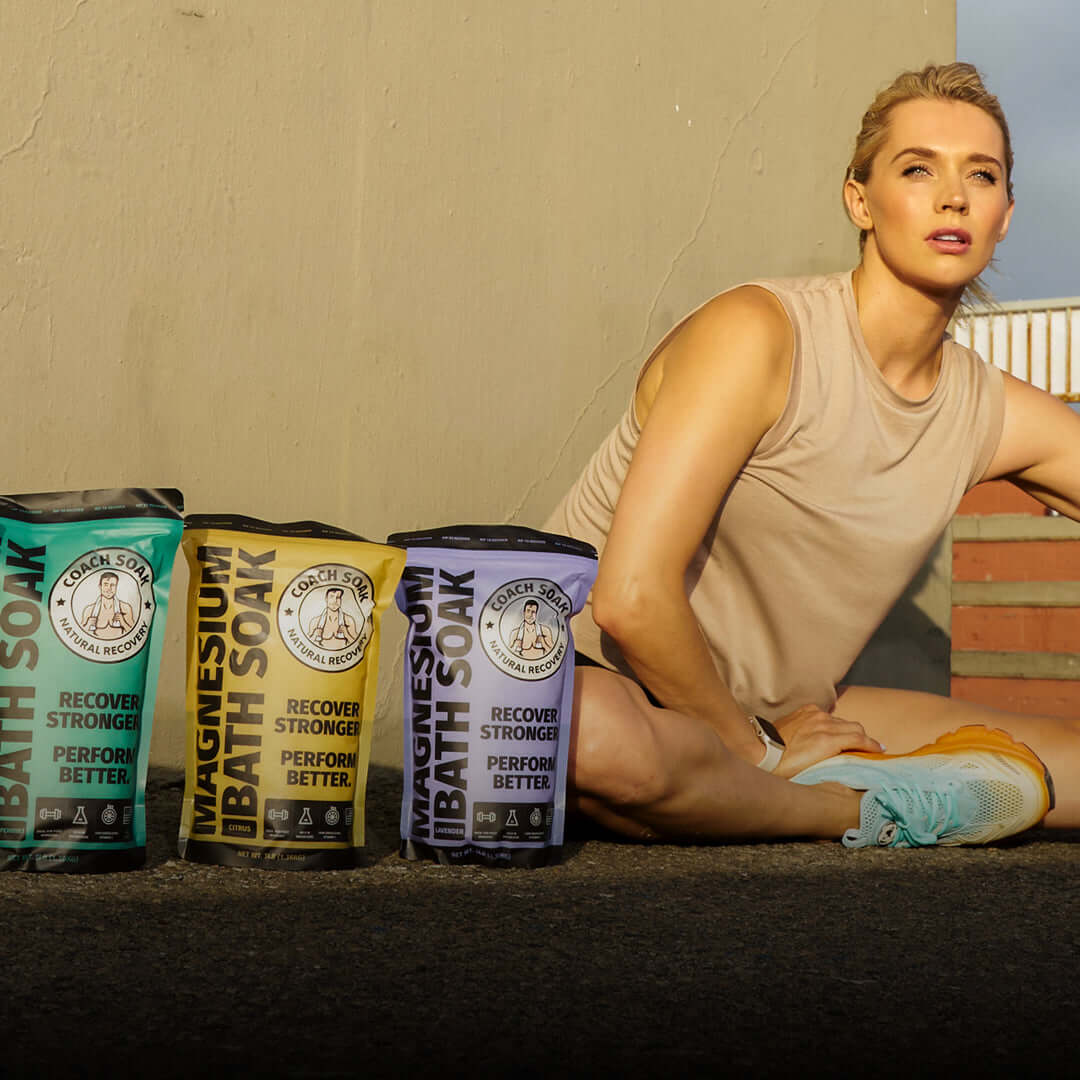
There's something truly special about the moment you sink into a warm bath after a tough session. It's a signal to your entire body that the hard work is done and it's time to unwind. Elevating this ritual with a high-quality muscle soak can turn a simple bath into a deeply restorative experience. Imagine the soothing warmth enveloping your tired muscles, the relaxing aroma filling the air. This is your dedicated time to let go, breathe deeply, and thank your body for all it has accomplished. It’s the perfect partner for your post-workout routine.
The Importance of a Proper Cool-Down
Before that soak, a few minutes of gentle, post-workout stretching can make a world of difference. This isn't about pushing for flexibility; it's about helping your muscles lengthen and relax after being contracted for so long. It’s a quiet, mindful way to close out your session and begin the recovery process.
Listening to Your Body: The Ultimate Guide to Comfort
Ultimately, the best way to find more comfort and experience fewer leg cramps is to see them not as an enemy to be defeated, but as a conversation with your body. They are powerful signals, asking you to tune in and pay attention. By embracing this mindset, you shift from simply reacting to discomfort to proactively building a routine of support and care.
Every glass of water you drink, every gentle stretch you hold, and every moment you dedicate to a relaxing post-workout soak is your response in that conversation. It's you saying, "I hear you, and I've got your back." Listening to your body means recognizing when it needs fuel, when it needs to move, and, just as importantly, when it needs to rest and recover.
It’s about creating a partnership with your body, built on consistency and care. When you honor its hard work with thoughtful recovery, you’re not just addressing a temporary tightness; you're building a foundation for more strength, more endurance, and more joy in every movement. Stay active, recover well, and enjoy the journey.