
REACH YOUR GOALS WITH COACH SOAK'S
RECOVERY ROUTINE
CONSISTENCY IS KEY TO ANY FITNESS JOURNEY. COACH SOAK IS HOW YOU STAY ON TRACK.
Related Products
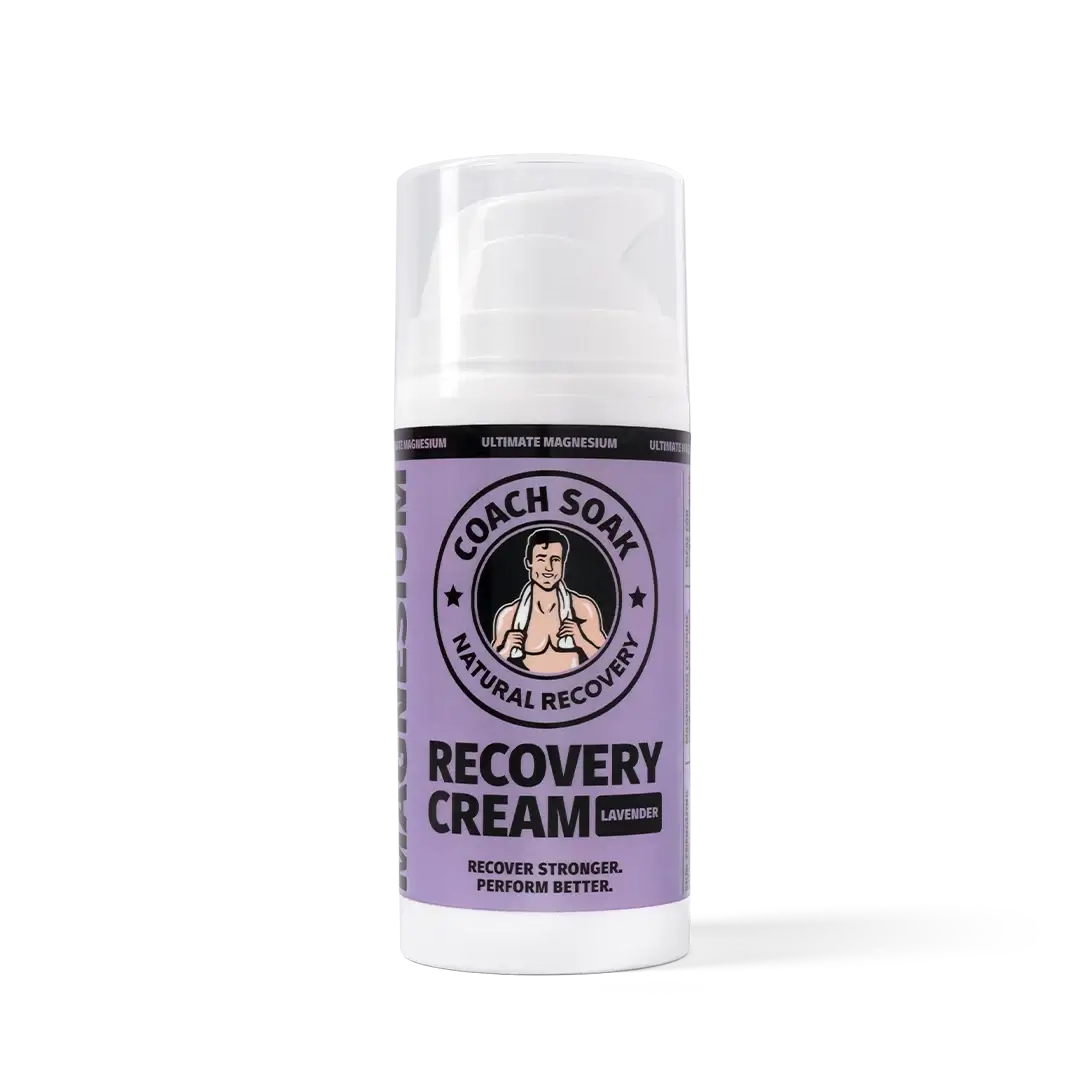
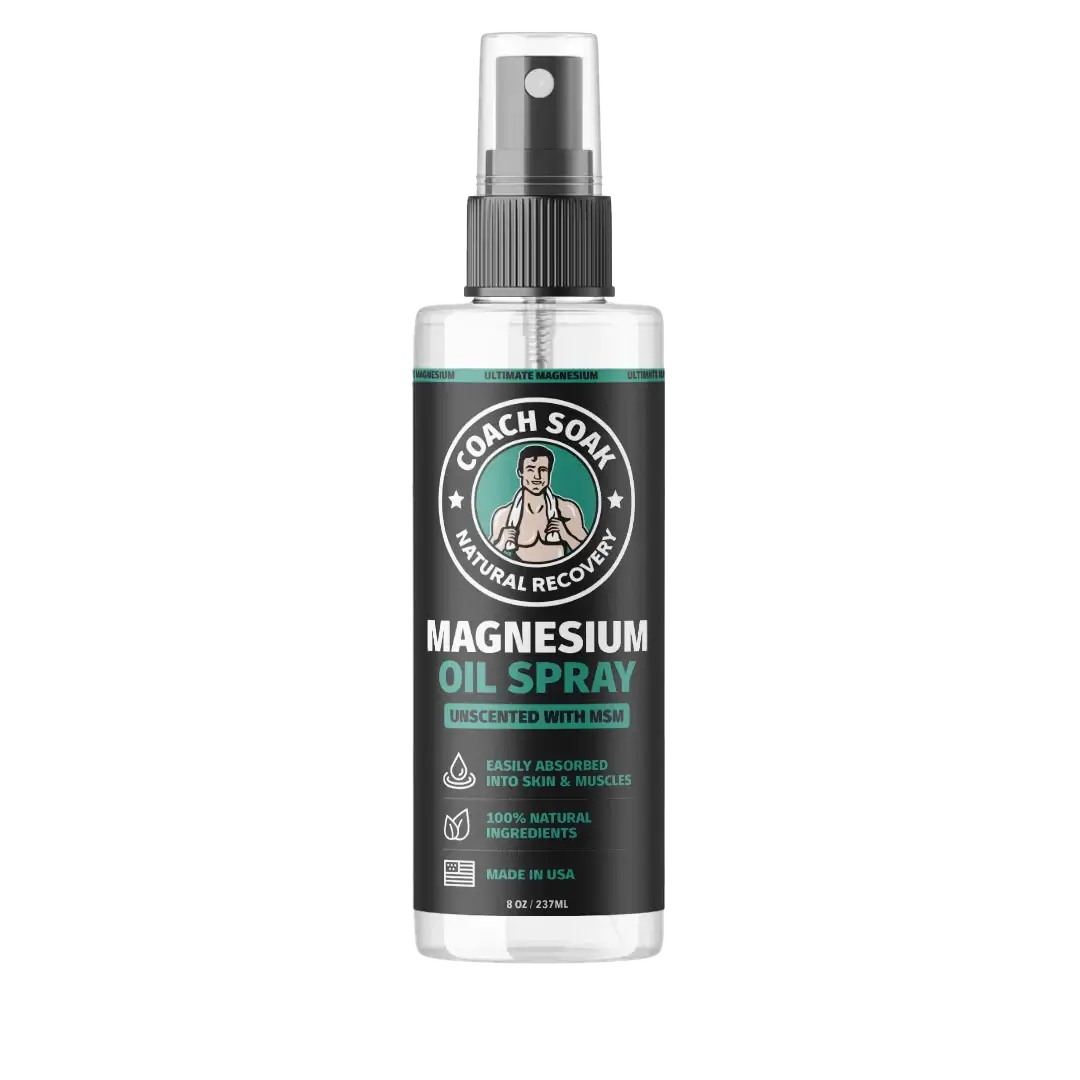
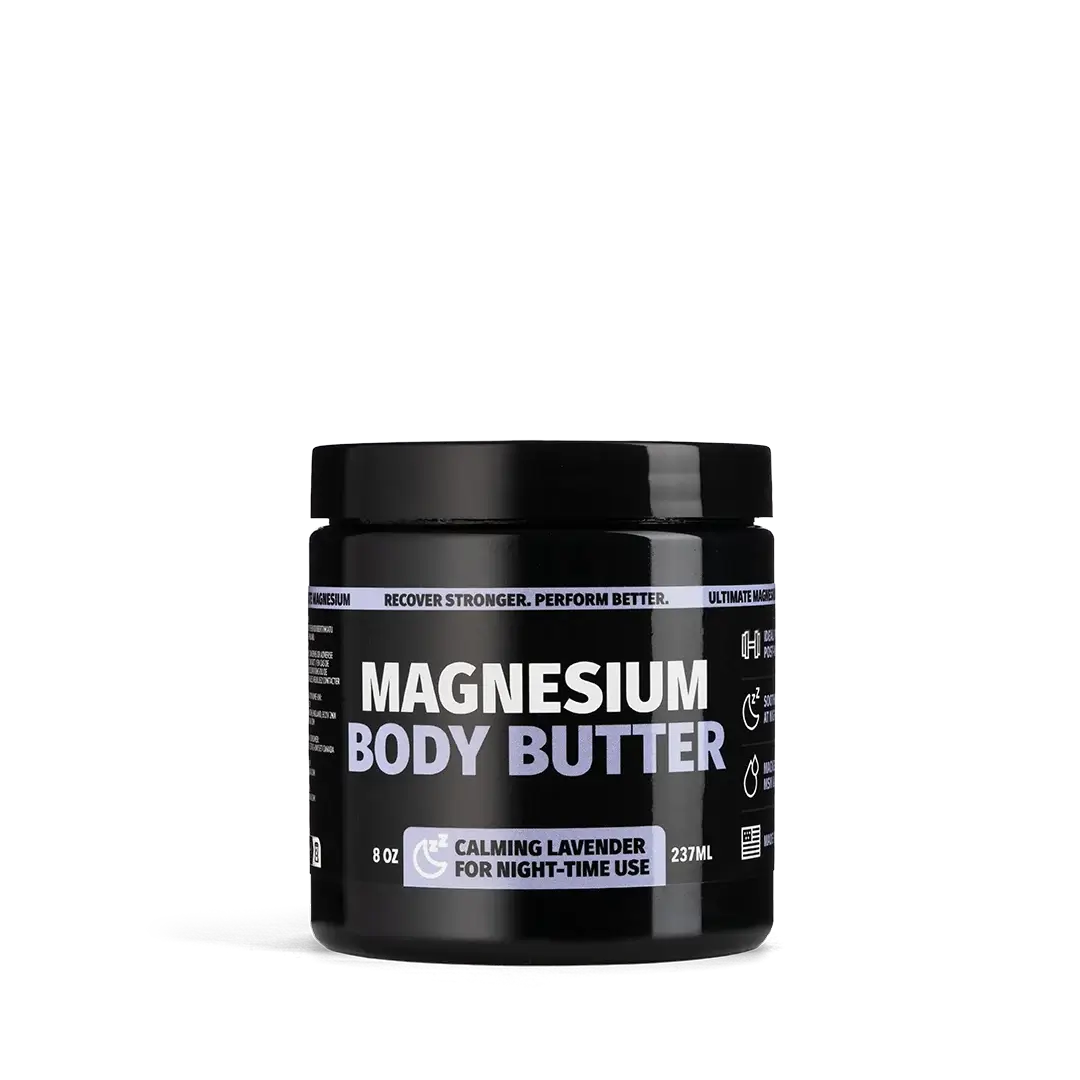
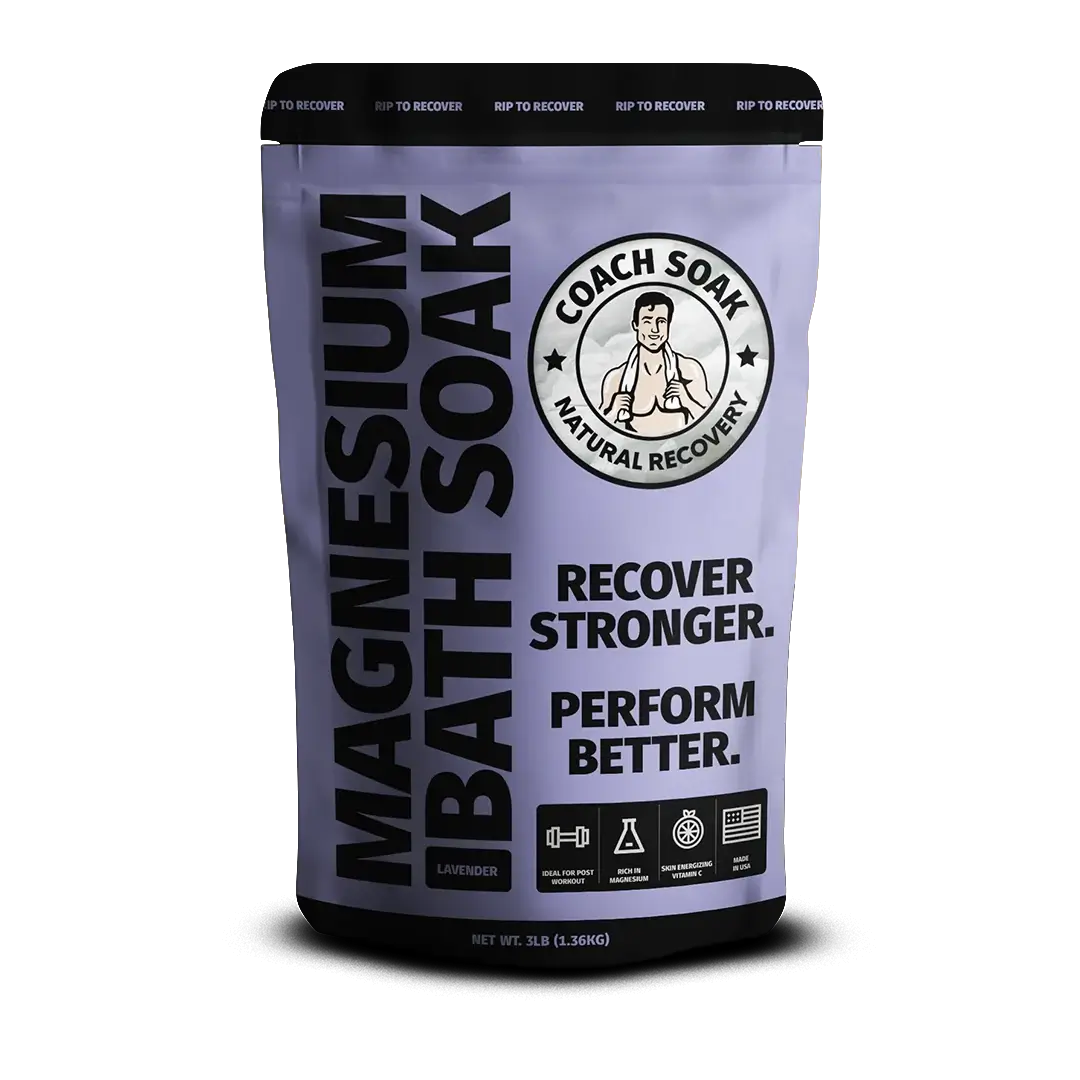
Magnesium help ease muscle tension, support relaxation, and encourage circulation—making them a great addition to your recovery routine.
Every workout day, pour 1-2 cups into warm bath water or an ice bath and stir, the magnesium flakes will dissolve fast and you'll absorb all benefits in a relaxing bath.
SOAK 20 MINUTES TO RESTORE ESSENTIAL MINERALS
After intense training, your body can feel depleted. Our muscle soak features 21 naturally occurring minerals—including potassium, sodium, and calcium—to support relaxation, muscle recovery, and overall post-workout rejuvenation.
AND ON HARD DAYS...
TARGET SORE AREAS

Soak a washcloth in the dissolved mix in warm water and apply until no longer warm. Repeat 2-3 times.
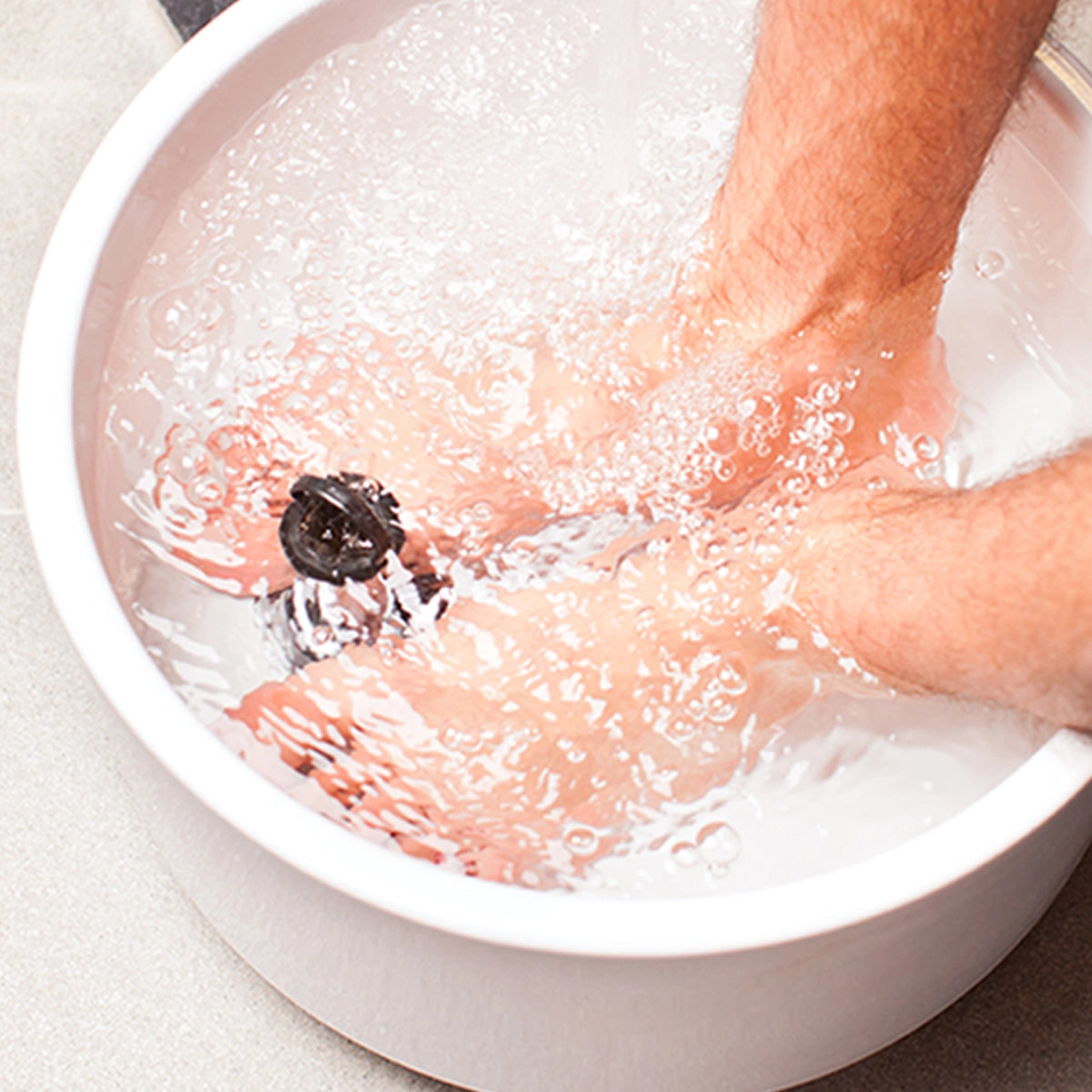
Relieve aches, reduce inflammation and refresh your feet anytime.


Invigorate your complexion by mixing a handful of flakes with your favorite body oil and massaging gently.
EVERYDAY POST-WORKOUT GUIDE
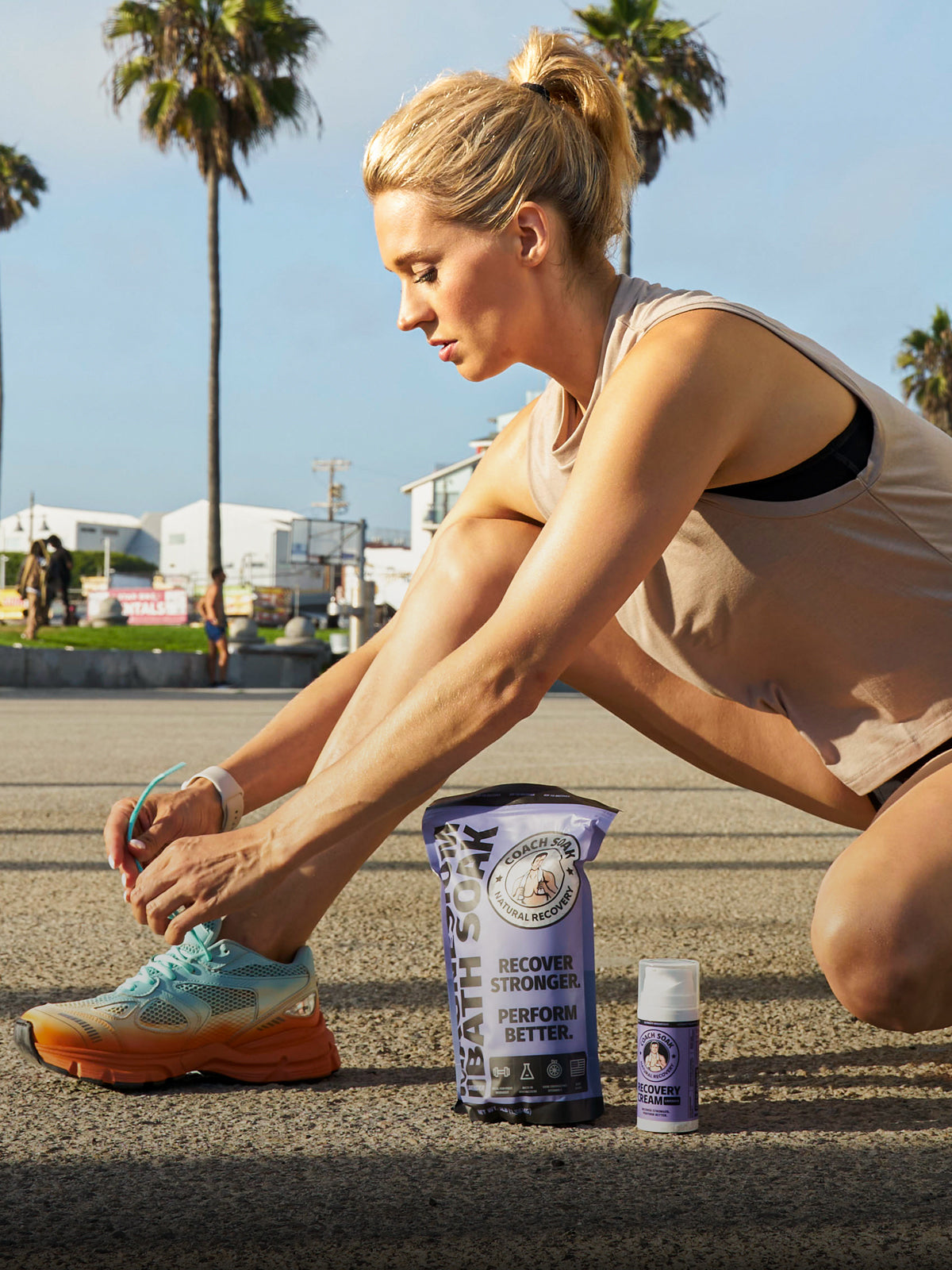
Reduce muscle tension, increase blood flow, and promote healing by stretching & foam rolling.

Drinking plenty of water is important for muscle recovery as it helps flush out toxins, transport nutrients to your muscles, and keep your joints lubricated.
Make sure to drink enough water before, during, and after your workout to support muscle recovery.

Eating a diet rich in protein, carbohydrates, and healthy fats can also help to support muscle recovery. Protein is essential for repairing damaged muscle tissue, while carbohydrates provide the energy needed for recovery, and
healthy fats support joint and tissue health.

Sleep is the time when your body repairs and rebuilds itself, including muscle tissue. During sleep, your body produces growth hormone, which helps to repair and rebuild muscle tissue. Additionally, sleep can help to reduce inflammation,
which is crucial for reducing muscle soreness and speeding up recovery.
The National Sleep Foundation recommends 7-9 hours of sleep per night for adults. This may vary based on individual needs, but the key is to get enough sleep to allow your body to repair and rebuild.
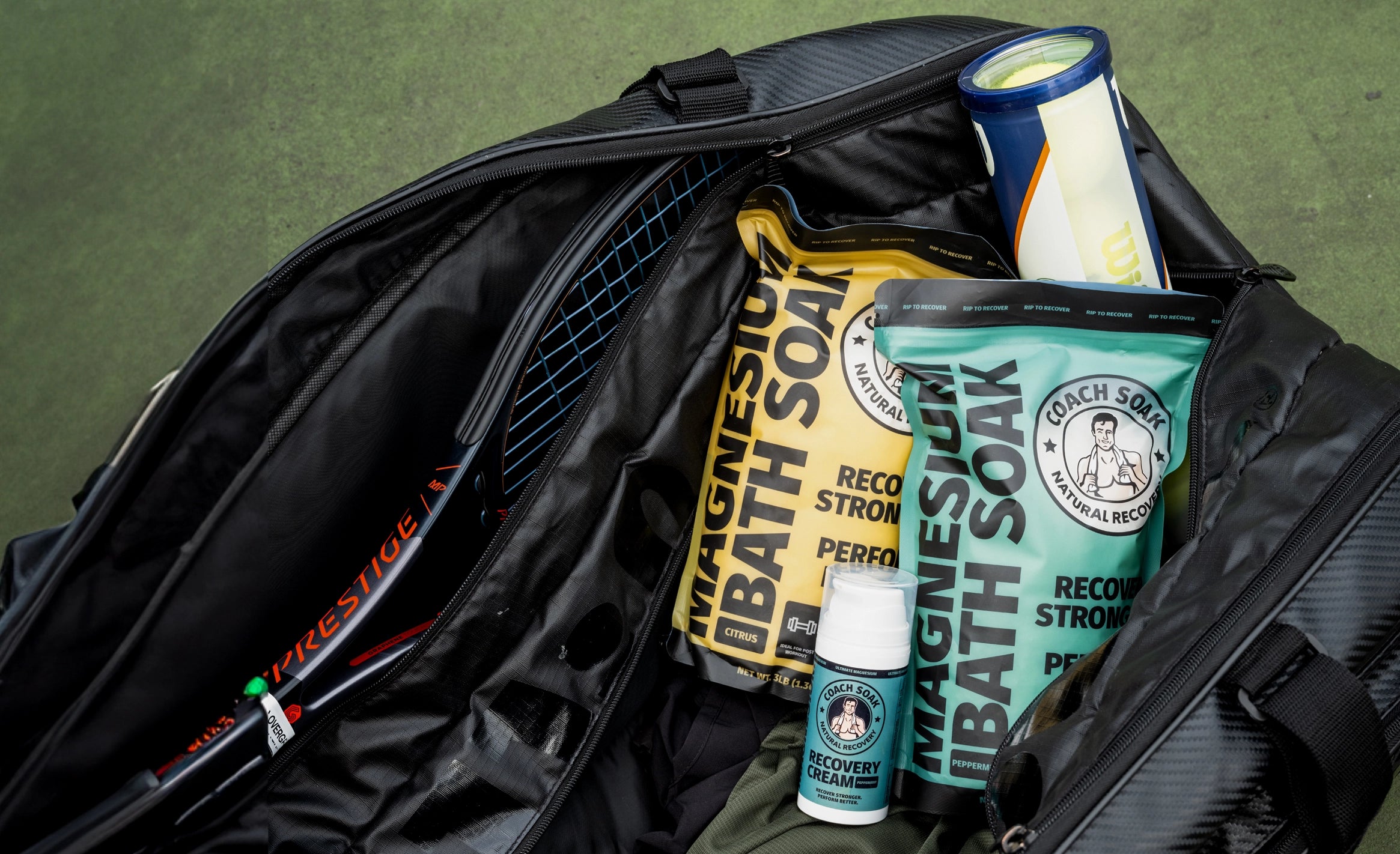
Don't let sore muscles stop you! Take your recovery everywhere with our magnesium creams and sprays.
Reduce muscle tension, increase blood flow, and promote healing by stretching & foam rolling.
Drinking plenty of water is important for muscle recovery as it helps flush out toxins, transport nutrients to your muscles, and keep your joints lubricated.
Make sure to drink enough water before, during, and after your workout to support muscle recovery.
Eating a diet rich in protein, carbohydrates, and healthy fats can also help to support muscle recovery. Protein is essential for repairing damaged muscle tissue, while carbohydrates provide the energy needed for recovery, and
healthy fats support joint and tissue health.
Sleep is the time when your body repairs and rebuilds itself, including muscle tissue. During sleep, your body produces growth hormone, which helps to repair and rebuild muscle tissue. Additionally, sleep can help to reduce inflammation,
which is crucial for reducing muscle soreness and speeding up recovery.
The National Sleep Foundation recommends 7-9 hours of sleep per night for adults. This may vary based on individual needs, but the key is to get enough sleep to allow your body to repair and rebuild.
Don't let sore muscles stop you! Take your recovery everywhere with our magnesium creams and sprays.